
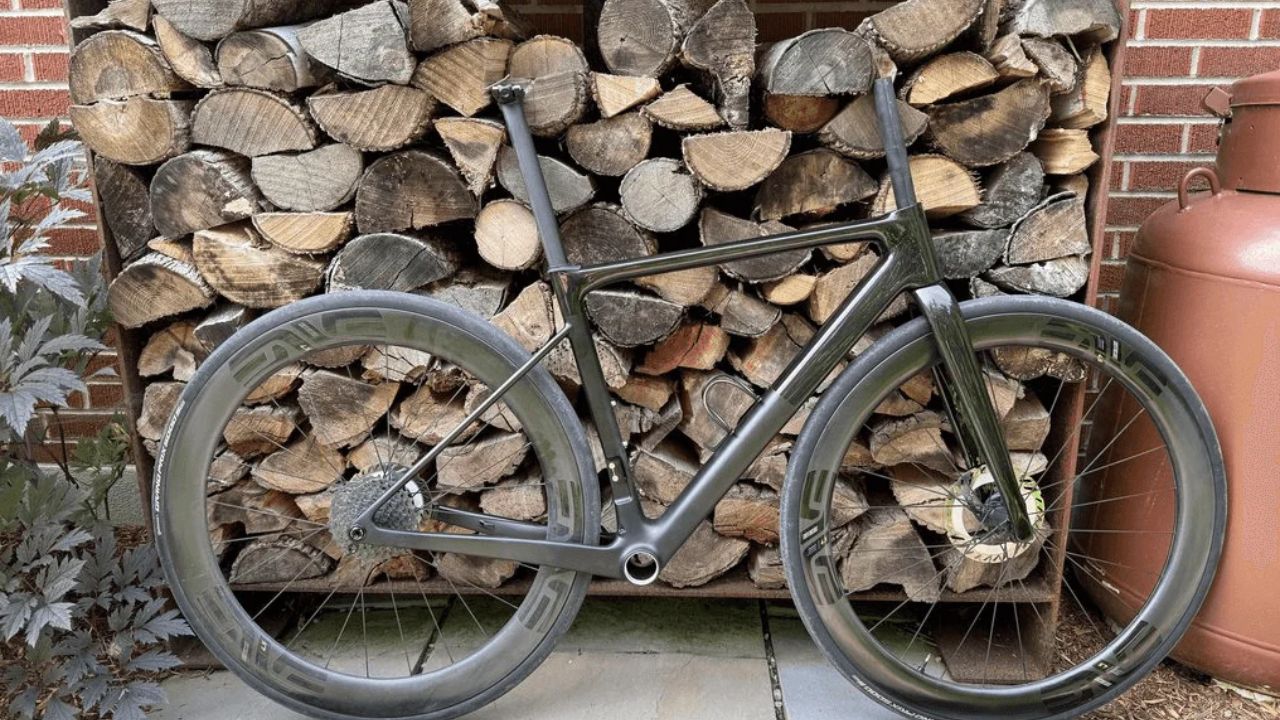
The initial move towards the process of choosing the most appropriate carbon road bike frame is to find out why carbon fiber has been widely applied in modern road cycling. Carbon fiber allows the manufacturing firms to perform near impossible modifications to stiffness, weight and ride comfort. A carbon aero road frame designed for speed-focused road builds delivers maximum aerodynamic efficiency and performance on the road. High-tech layup processes can be used to strengthen or make the various parts of the frame plush to offer efficiency and comfort. This makes the carbon frames suitable for a large number of riders, which includes competitive racers and endurance-oriented cyclists.
Identifying the Intended Riding Style
This is because one of the most significant variables to consider when choosing a carbon road bike frame is the purpose of the bike. Race-oriented riders normally have the benefit of aerodynamic frames, which focus on rigidity and aggression in the geometry to achieve maximum power transfer. Endurance riders, by contrast, can be interested in longer-distance-oriented frames, with more relaxed geometry and are able to absorb vibrations. All-road designs can be the most convenient choice for riders who train on mixed surfaces or take long training sessions.
Choosing the Right Frame Geometry
Frame geometry is extremely important in performance and overall comfort in the ride. The rough geometries are rather short head tubes that extend further, giving the rider a lower and more aerodynamic position. Even though this design is quick, it may not be suitable for all riders who prefer comfort or flexibility. Endurance geometries provide a more upright sitting posture that does not strain the back and shoulders, hence suitable for long rides and recreation cycling. Geometry has to be selected in accordance with the body proportions and the purpose of riding.
Testing of Weight and Stiffness Balance
A carbon road bicycle frame must have the appropriate balance between lightweight construction and rigidity. Frames are made lighter to increase performance and speed of climbing, but excess rigidity makes the ride rough. Carbon frames would be well designed to distribute the stiffness where it is most required, including the bottom bracket and head tube, and controlled flexibility in other locations. The balance provides efficient power transfer without affecting the quality of the ride.
Considering Aerodynamics and Design
The aspect of aerodynamics has gained much significance in the design of the frame of road bikes. Most modern carbon frames have tube shaping, which minimizes air resistance and enhances speed, particularly at high speeds. Although full aerodynamic frames are the best choice for racers and high group rides, they can increase their weight and decrease their comfort for everyday riders. The question to be asked is whether the aerodynamic gains are in accordance with the riding environment and performance expectations of the rider.
Brake Compatibility and Tire Clearance
The new frames of carbon road bikes are usually designed to use a disc brake that has better braking capabilities and control under a wide range of weather conditions. Also, disc brake frames tend to be designed in such a way that they provide more tire clearance, and hence riders can use the wide tire to achieve comfort and grip. Whenever the riders are planning to ride on rough roads or even on mixed roads, they must ensure that the frame they are riding on is compatible with the braking system and tire width that they desire.
Customization, Fit and Sizing
Fitting a carbon road bike frame is one area that should be done right. The most progressive frame will not do well when it is not fit for the rider. The frame size must depend on the height, inseam length and riding position. Customization is also common in many manufacturers, including using various carbon layups, paint finishes, or geometry changes. These choices can be used to enable riders to get a bike that would be personalized to their needs.
Quality, Production and Brand Reliability
Durability and long-term performance depend solely on the quality of manufacturing. The production of high-end carbon frames usually involves high-quality testing and some of the highest quality control. When purchasing a rider, the buyer must look at the experience, reputation, and warranty of the manufacturer. A trusted brand will be a surety of economic performance and serenity throughout the years of usage.
Conclusion
When selecting the optimal carbon road bike frame, it is important to take into consideration the way of riding, geometry, weight, aerodynamics, and fit. With this knowledge of the combination effect of these factors, riders are able to choose a frame that improves their performance as well as comfort. An appropriately selected carbon frame not only enhances performance when on the road, but also gives the cyclist a more pleasant and secure ride and provides them with a good investment opportunity regardless of their level.