Custom Branded Lunch Bags: The Guide to Logo Application and Flexible MOQs
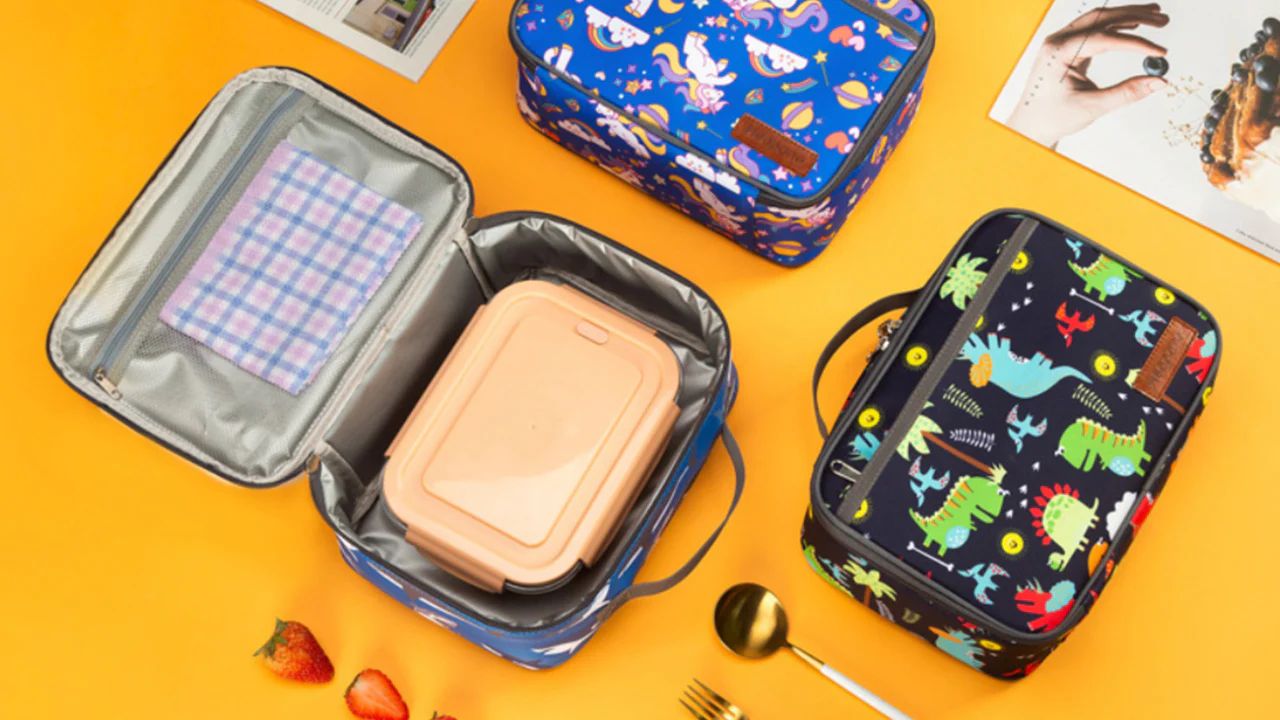
Custom lunch bags combine practicality and design. They are a consistent product that people use every day at work, the gym, school, and with food delivery services, making them ideal for brand visibility. For businesses, the challenge is not only in selecting lunch bag styles but also in how the brand name will be physically displayed on the product. Concurrently, order-size flexibility is important for new or testing-phase brands, which do not want a big commitment upfront. The key element in the process is manufacturing support, provided in a structured manner by a custom lunch bag manufacturer.
Starting Point: Defining the Brand Use Case
The purpose of the lunch bag dictates the direction of all logo work. Clean, minimal brand placement might be ideal for a corporate wellness program, whereas a fitness brand might want to show up as much as possible. Practical designs that meet branding and durability needs are often necessary for meal-prep companies. Early decisions affect the materials chosen and how they will be used later in the production process.
Logo Placement on Fabric Surfaces
Silk-screen printing is the most popular technique for printing lunch bags. It is effective for level surfaces and can reproduce consistent color. It is usually employed when a private-label lunch box factory requires a high level of consistency across a large number of boxes. Here, placement is important. Front panels will typically be branded, and side panels may carry secondary branding or messaging.
Embroidery for Textured Branding
Embroidery is a raised print effect, which feels more substantial than a standard printed finish. It’s a common technique for thicker lunch totes with fabric that can support the details without stretching. Embroidery is longer to produce but is chosen for branding on corporate gifts or high-end retail collections where tactile branding is a factor in brand perception.
Rubber Patches and 3D Identity
Rubber patches add a 3D element to the logo. They’re sewn onto the exterior of the bag and are typically available for outdoor or sports products. Better wear-resistant properties than printed surfaces in high-contact areas. This is a popular choice when brands wish to distinguish themselves from conventional printed lunch bags.
Custom-Molded Zipper Pulls
The zipper pull is the smaller and more effective brand surface. With custom-molded pulls, logos can be integrated into the functional hardware rather than into fabric. It is an effective, consistent technique that is noticeable every time the bag is opened or closed. It also won’t overpower the main panel design.
Combining Multiple Branding Methods
Some products feature two or more logo application styles. For instance, a front silk-screen print can be used with a rubber patch or brand zipper pull. This multi-level strategy allows brands to be seen from multiple perspectives. In projects managed by Everich, designers often test combinations during early sampling to ensure the final look remains balanced rather than overloaded.
NDA Protection During Early Design Stages
Brand protection is often a concern during early development. Many companies share sketches or CAD files before production begins. At this stage, signing an NDA helps protect design ownership. A private-label lunch box factory typically handles these agreements before moving on to sample creation, ensuring that client concepts remain protected throughout development.
Flexible MOQ Structures for Market Testing
Order quantity is one of the main barriers for new brands. The standard production quantities for such projects are typically 500 to 1,000 units per project, depending on design complexity. Nevertheless, flexible MOQs enable smaller trials in production. Everich supports this approach by adjusting order structures based on product type and client needs.
Sample Development Before Bulk Production
Before full-scale manufacturing begins, sample production provides a physical version of the design. This stage allows brands to evaluate logo clarity, color accuracy, and bag structure. Changes are often made at this point to refine both branding placement and usability. Sample approval is a key checkpoint before moving into bulk production.
Material and Print Compatibility Checks
Not all materials respond equally to branding techniques. Some fabrics absorb ink better, while others support stitching or patches more effectively. These compatibility checks help prevent visual distortion or early wear. A careful match between material and logo method improves long-term product performance and consistency.
Production Scaling After Approval
Once samples are approved, production shifts into scaling mode. At this stage, consistency becomes the priority. Color matching, logo alignment, and stitching accuracy are monitored across batches. Everich organizes production in phases to ensure consistent output, especially for wholesale orders of custom-logo retail lunch totes.
Conclusion
Creating customized lunch bags involves more than just adding a logo. It requires choosing the best application method, selecting suitable fabric, and estimating production quantities. Whether it is screen printing, embroidery, rubber patches, or hardware molds, the choice of branding technique determines the product’s appearance and functionality. Custom MOQ services provide an option of entering the market with low risk. With proper sampling and production control, there is assurance of the successful creation of branded lunch products.