Epoxy Coated Pipe: What Industrial Buyers Should Confirm Before Ordering
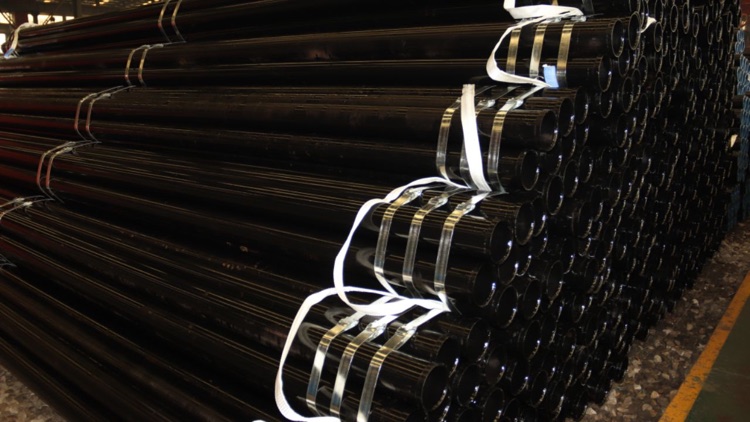
Epoxy coated pipe is steel pipe protected with an epoxy-based coating, often specified to reduce corrosion risk during service. In industrial sourcing, buyers may see fusion bonded epoxy, internal epoxy lining, external epoxy coating, or project-specific coating systems.
The broad search term can also return pipe repair and sewer lining services. For steel pipe procurement, the buyer question is different: what base pipe is required, what coating system is specified, and how will coating quality be inspected?
For a product-focused reference, see this epoxy coated pipe guide.
Start with the Base Pipe
The coating does not replace the pipe specification. Buyers still need pipe standard, grade, size, wall thickness, length, end finish, and documents. A coated pipe quote is incomplete if it only describes the coating.
For example, an FBE coated carbon steel pipe may still need ASTM, API, EN, or project-specific pipe requirements. The base pipe should be approved before coating.
Internal vs External Coating
Epoxy coating can be applied internally, externally, or both, depending on the service. External coating is often used to protect buried or exposed pipe from soil, moisture, and environmental corrosion. Internal lining may be used to protect against certain fluids or improve flow conditions.
The RFQ should state coating location clearly. A supplier quoting external coating only is not equivalent to a supplier quoting internal and external coating.
Fusion Bonded Epoxy Context
Fusion bonded epoxy, often called FBE, is a common coating term in steel pipe projects. It is applied under controlled conditions and is widely used for corrosion protection in pipelines and infrastructure.
Buyers should avoid using “epoxy” too loosely. The project may require a specific coating standard, application method, thickness range, surface preparation, and test procedure.
Surface Preparation
Coating performance depends heavily on surface preparation. The pipe surface must be cleaned and prepared before coating. Project specifications may define blasting grade, anchor profile, cleanliness, preheating, and application temperature.
If the surface preparation requirement is missing, two coating quotes may not be comparable. A lower price may simply reflect a weaker preparation and inspection process.
Coating Thickness and Inspection
Coating thickness should be stated as a project requirement. Buyers may also need holiday detection, adhesion testing, impact testing, bend testing, visual inspection, and thickness measurement.
Inspection records should be requested before shipment. If third-party inspection is required, define the hold point before coating starts.
Handling, Transport, and Repair
Coated pipe can be damaged during lifting, loading, transport, unloading, or storage. Buyers should specify handling method, padding, separators, end protection, and repair procedure for coating damage.
Site repair materials and acceptable repair limits should be clear. A coating system is only useful if it survives delivery and installation.
Cost and Lead Time
Epoxy coating adds process steps, inspection, handling, and sometimes curing time. Price depends on pipe size, length, coating type, thickness, surface preparation, quantity, inspection, and packing.
Ask suppliers to separate base pipe cost, coating cost, inspection cost, and freight if the project needs a clear comparison.
RFQ Checklist
Include base pipe standard and grade, size, wall, length, coating type, internal or external coating, coating thickness, surface preparation, inspection tests, repair procedure, marking, packing, and delivery terms.
Final Advice
Epoxy coated pipe should be purchased as a base pipe plus a controlled coating system. Define both parts before comparing price. A quote is only meaningful when pipe specification, coating requirement, inspection, handling, and repair rules all match.
Common Quote Problems
One supplier may quote coated pipe, another may quote pipe coating service, and a third may quote epoxy lining for repair. These are not the same offer. For new steel pipe procurement, make clear that the quote must include the base pipe and the specified coating system.
Another issue is missing coating thickness or inspection method. Without those fields, buyers cannot compare coating quality. Surface preparation, application process, and holiday testing should be visible in the quotation.
Receiving and Site Handling
Coated pipe should be checked when it arrives. Look for coating damage, missing end protection, poor stacking marks, and incomplete documents. If damage is found, follow the approved repair procedure rather than improvising at site.
Storage should protect the coating from abrasion and standing water. Use proper dunnage and avoid dragging coated pipe across hard surfaces.
Supplier Questions
Before approval, ask which coating standard or project specification is being followed, what thickness is quoted, how surface preparation is controlled, and which inspection records will be provided.
Also ask whether coating repair materials are included. For site work, a clear repair method can prevent arguments after unloading or installation damage.